



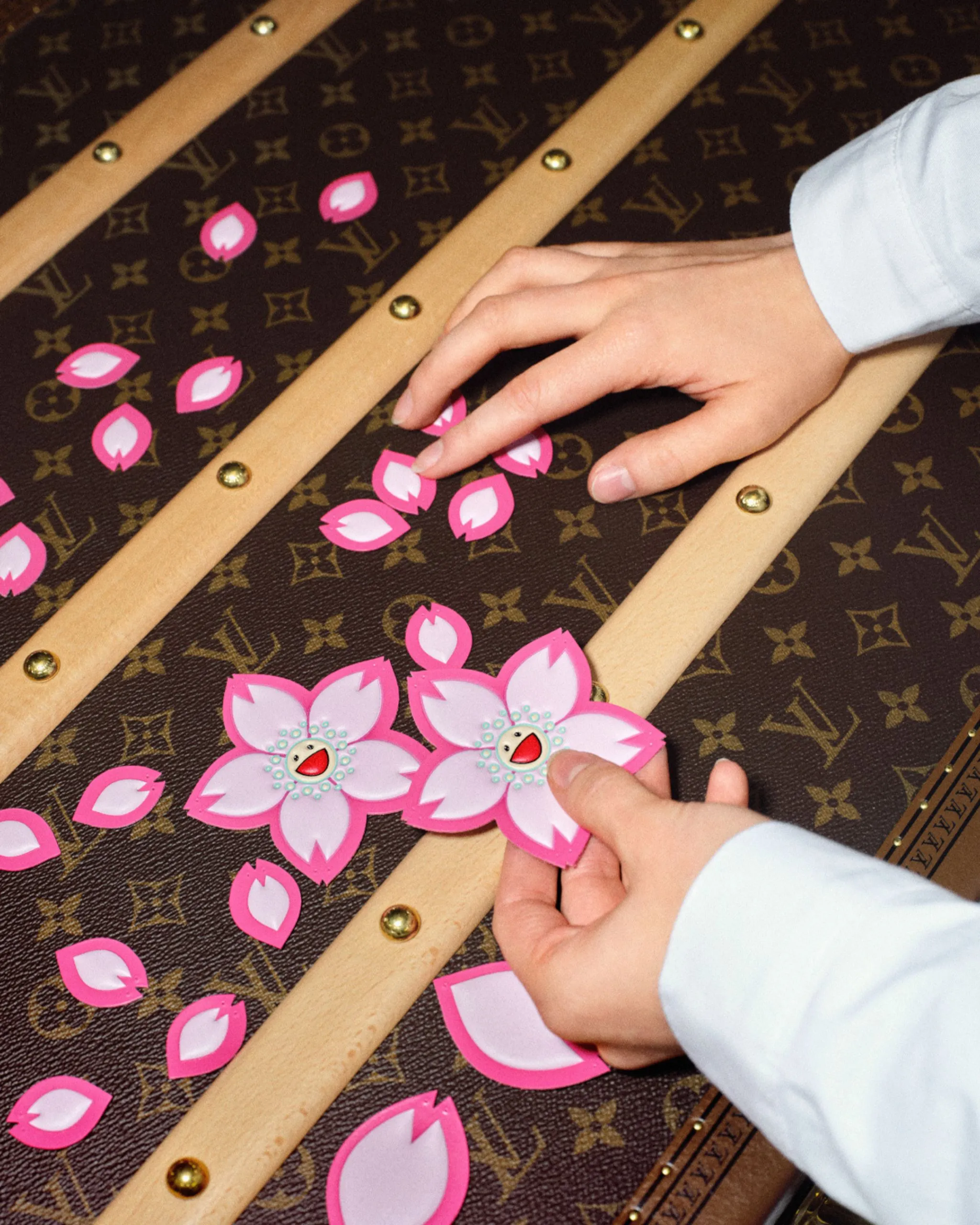
Fashion has always been a performance, but these days, the curtain is pulling back faster than you can say “OEM”. From Louis Vuitton’s savoir-faire notes in their press kit to Prada’s behind-the-scenes videos of stitch-by-stitch craftsmanship, luxuryLuxuryrefers to a state of exceptional comfort, elegance, and quality, often characterized by premium craftsmanship, exclusivity, and superior experiences.Go to Luxury Glossary houses are letting us peek backstage. No, it’s not all moodboards and muses. Its supply chains, strategy, and craftsmanship are executed with the rigor of haute architecture.
RELATED: For the Proud Outfit Repeater: Multi-Way Clothes
Trade Tantrums
Thanks to social media—and perhaps also thanks to Trump’s trade tantrums—a new genre of mythmaking has emerged: factorycore conspiracy TikTok. One viral offender is a user named Wang Sen who boldly claimed to be the ghost behind the machine—an OEM (original equipment manufacturer) allegedly churning out Hermès-grade bags in a nondescript warehouse. His proof is a wall stacked with Birkins, as if it were an art show. The video was swiftly deleted, just long enough to make someone start drafting a cease and desist.
Let’s take a step back: When Trump launched his tariff war, the global economy flinched. His administration imposed steep tariffs on Chinese imports, which retaliated in kind. Fashion got caught in the crossfire. Materials got pricier, production costs ballooned, and brands had to shuffle their manufacturing maps.
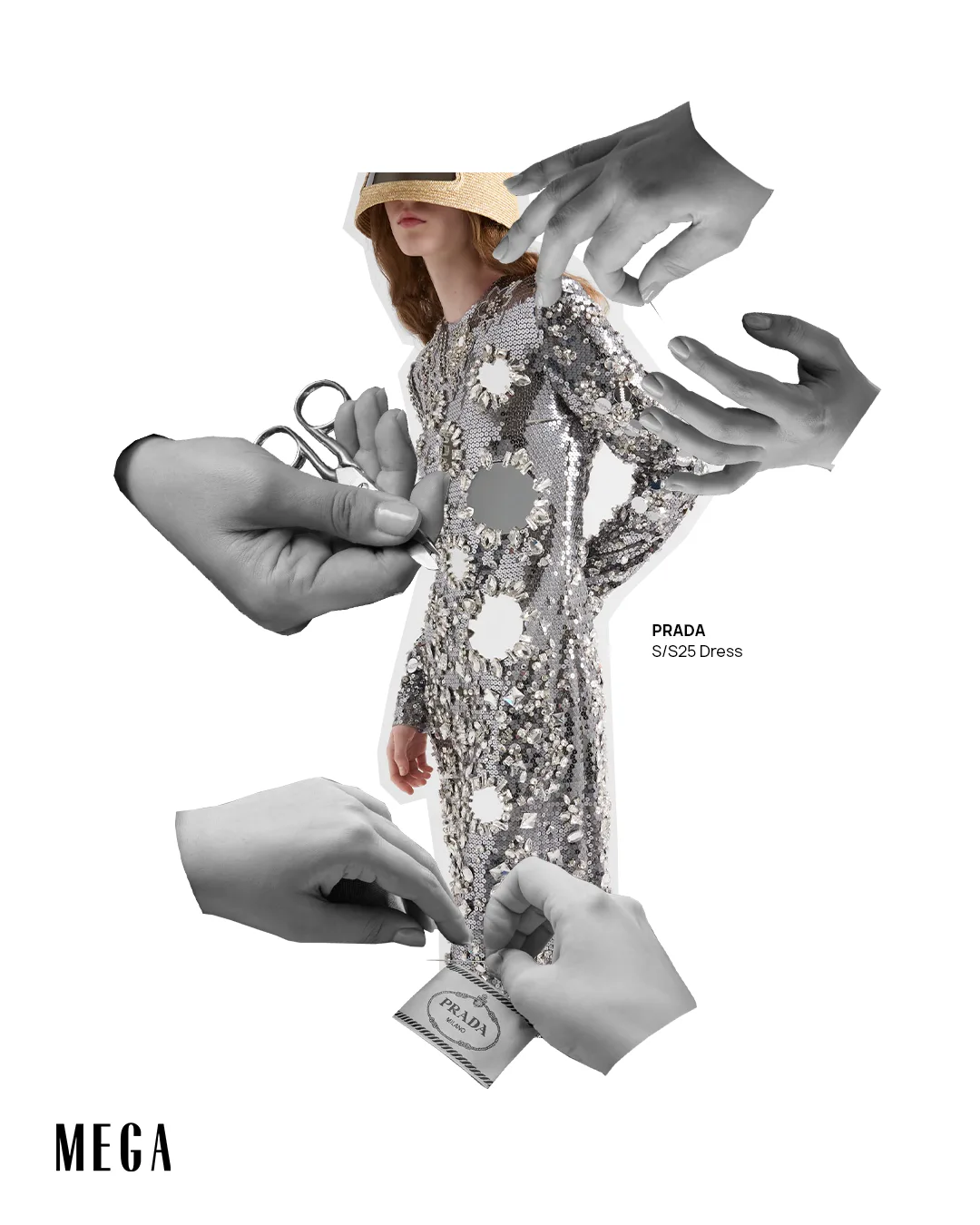
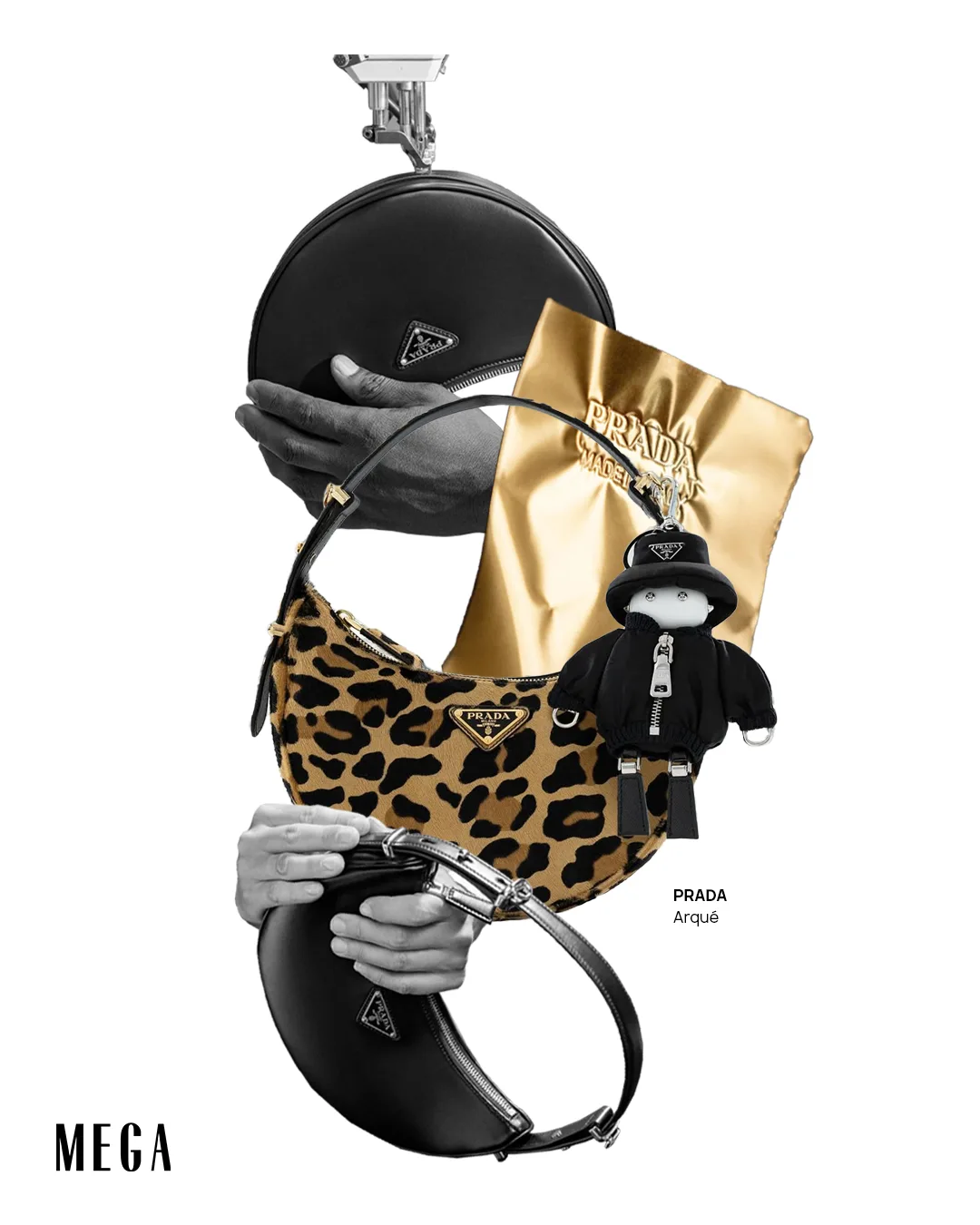
In the process, third-party producers—some legitimate, some less so—started exploiting the chaos. The counterfeiters have sensed an opening. With tariffs nudging up prices, they planted seeds of doubt: “Why pay full price when it’s all made in China anyway?”
True Material, True Value
That’s where the smoke-and-mirrors TikTokers came in. Allegedly, their strategy is to make real consumers feel duped, then redirect them to knockoffs that promise “the same thing” at a fraction of the price. Spoiler: it’s not the same thing. You’re not buying a bag, you’re buying into a system that undermines labor rights, sustainability, and artistic integrity.
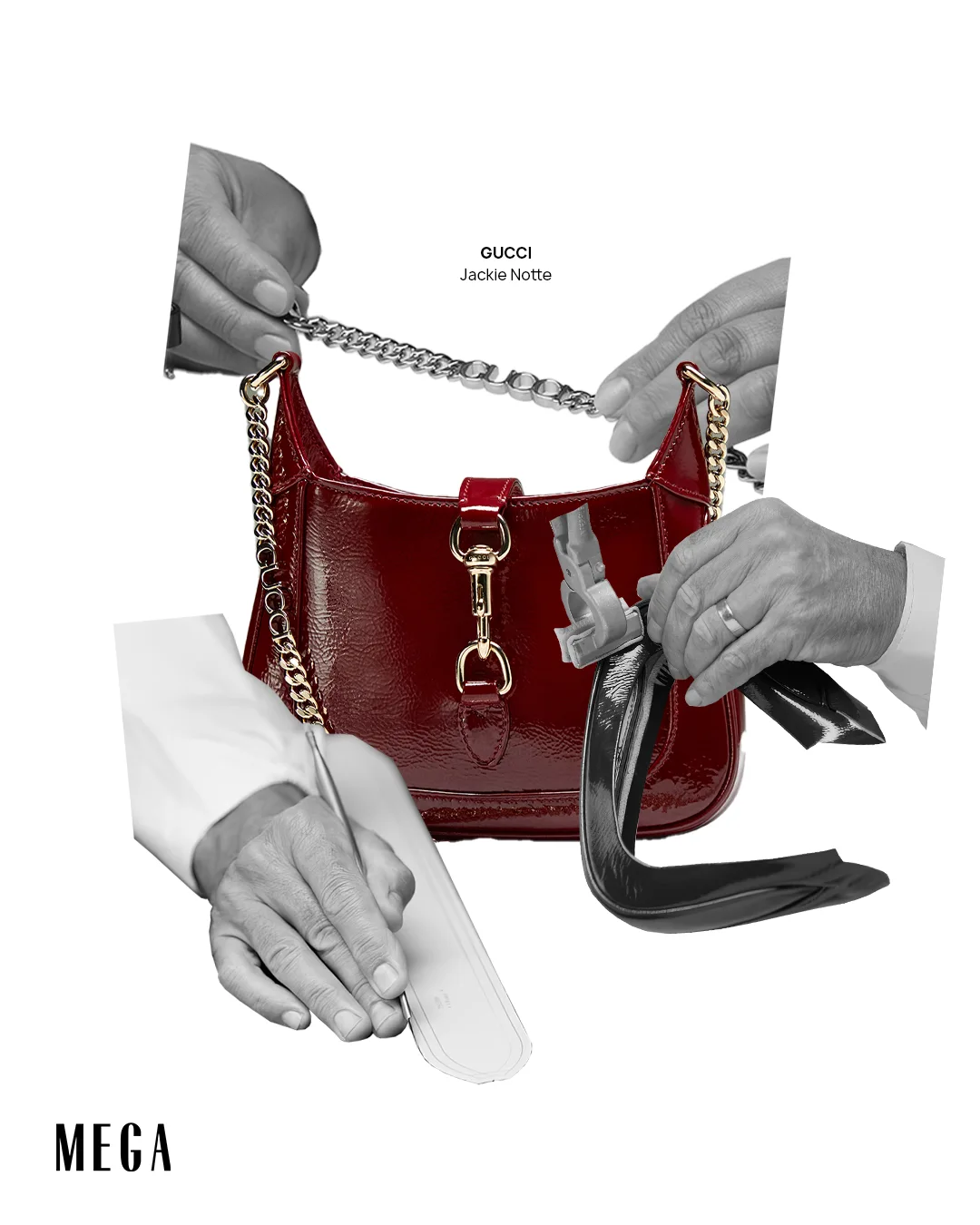
LuxuryLuxuryrefers to a state of exceptional comfort, elegance, and quality, often characterized by premium craftsmanship, exclusivity, and superior experiences.Go to Luxury Glossary may be a privilege, but it’s not hollow. Like private members’ clubs, it’s about access, experience, and a way of living. No one cries fraud at a Bugatti. Why should Balenciaga be any different?
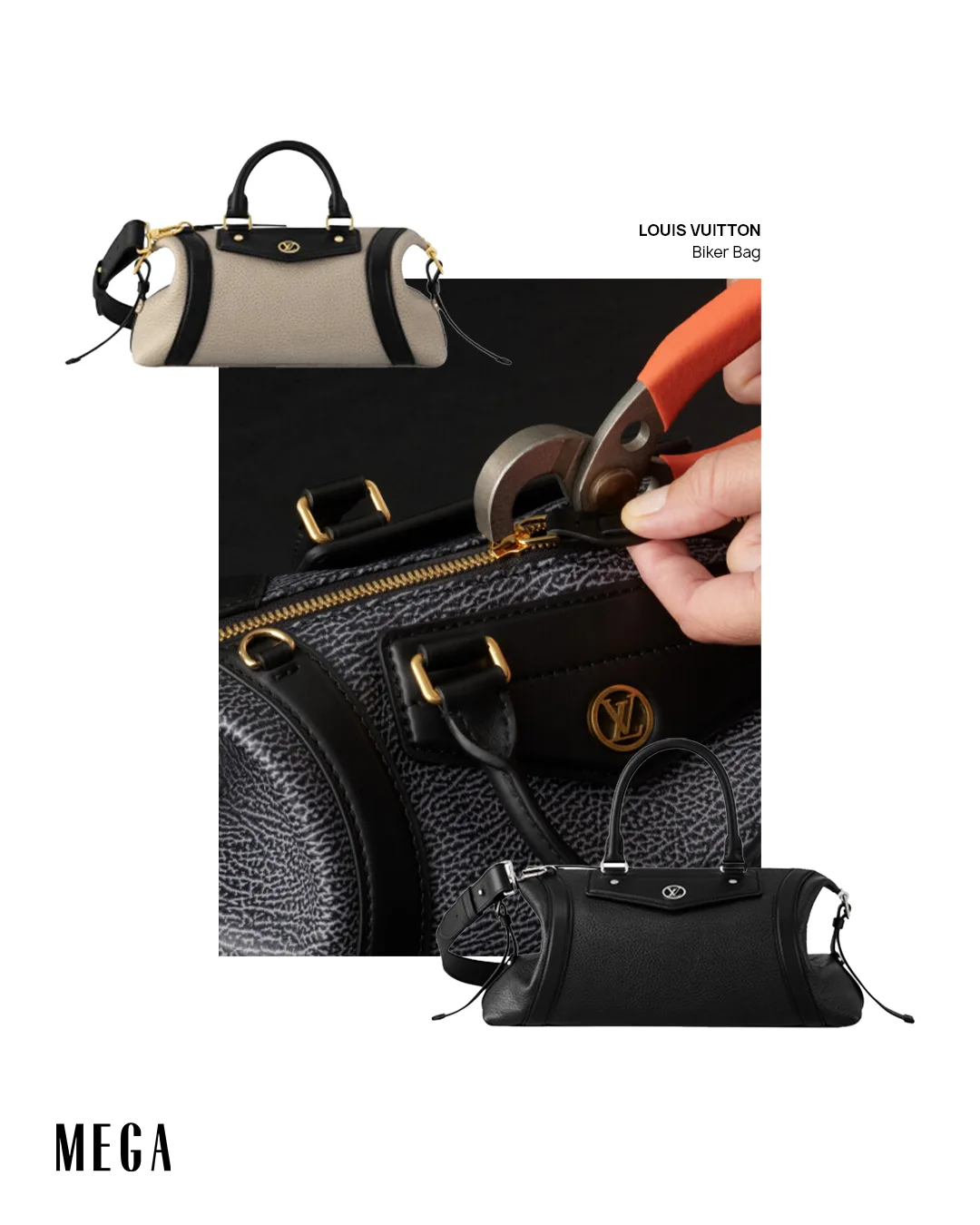
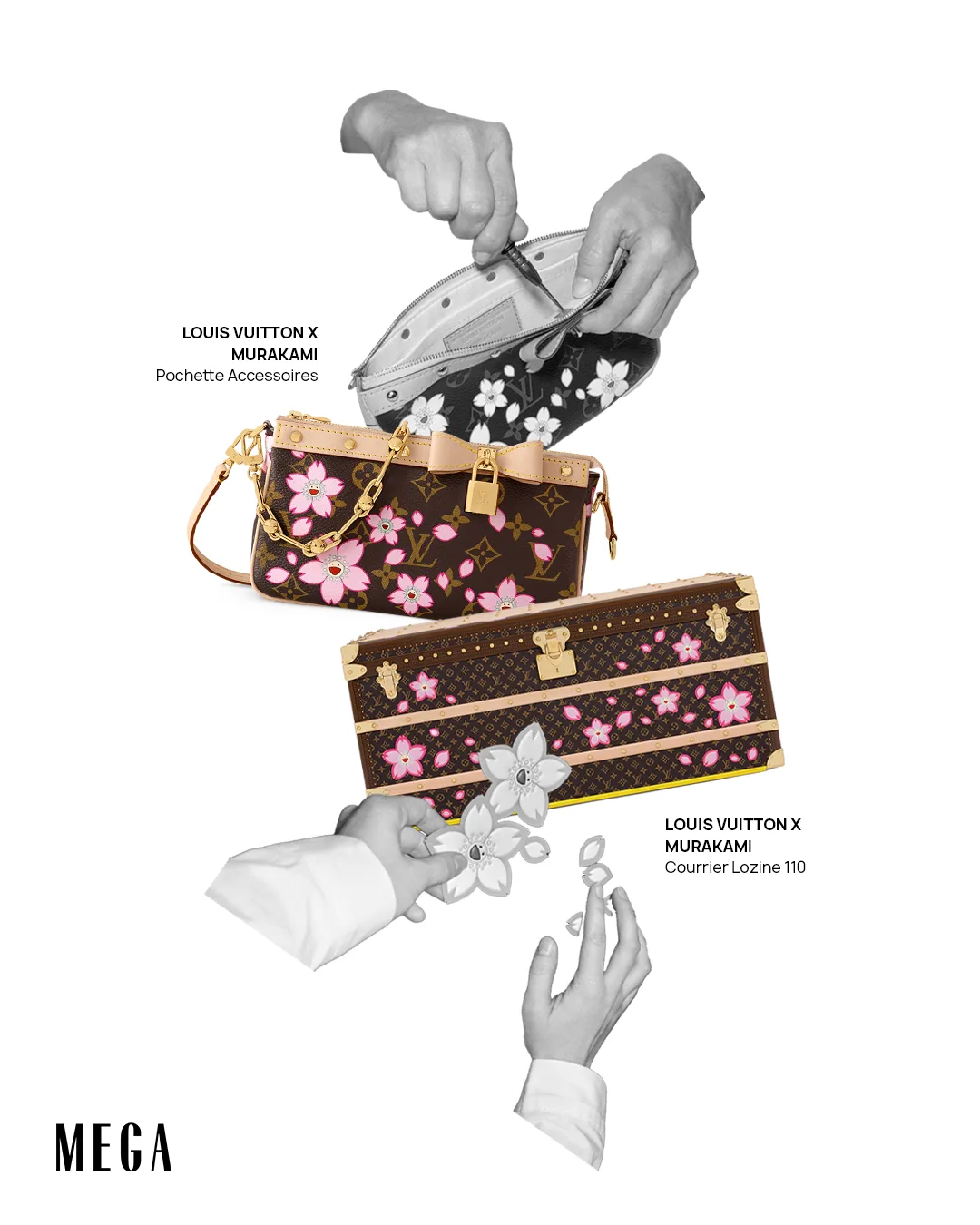
What you’re paying for is more than leather and thread. You’re paying for a process: sketches turned into prototypes, prototypes turned into wearable sculpture. Behind the machine is someone trained for years—sometimes generations—to do one thing exquisitely well.
Opening the Doors
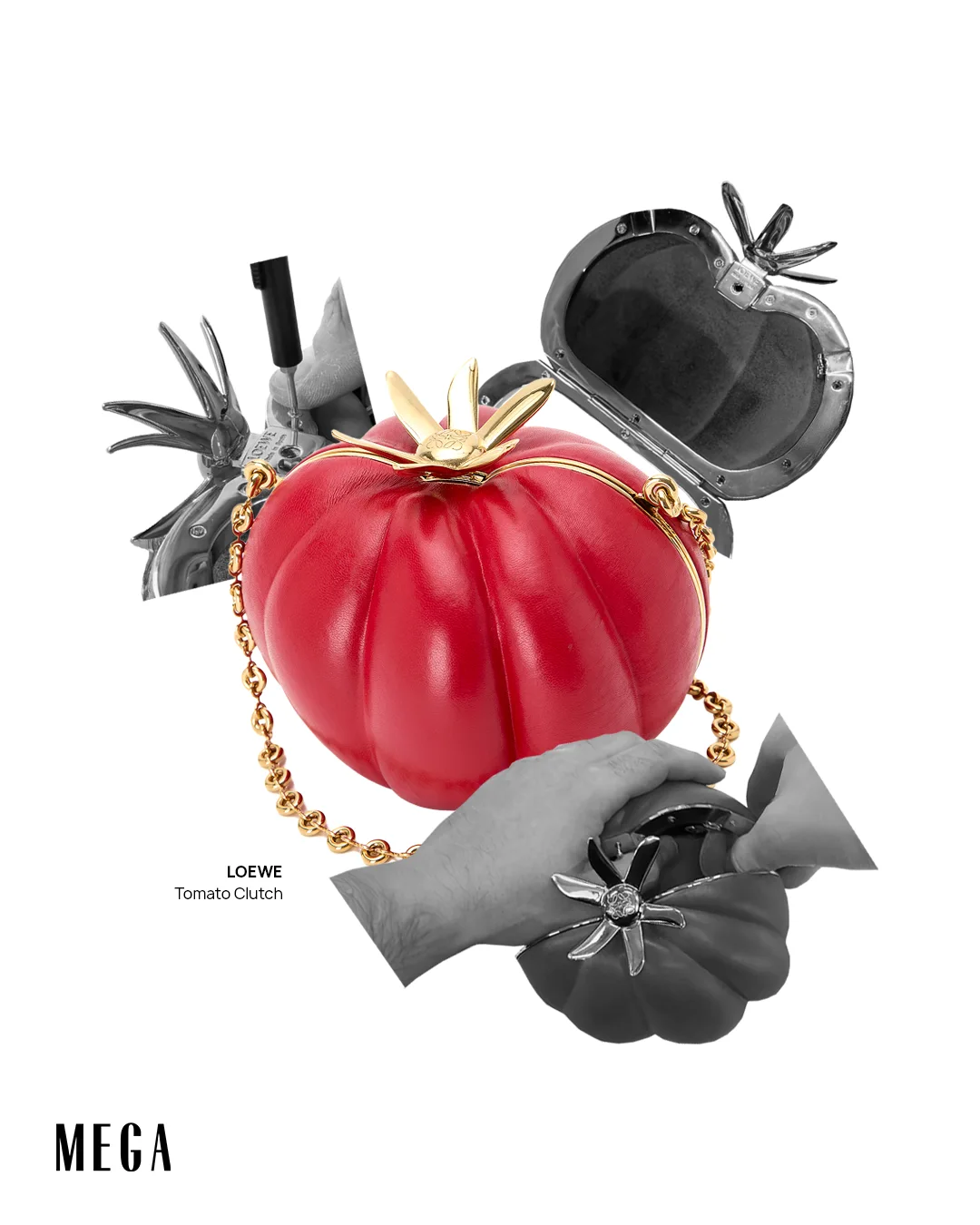
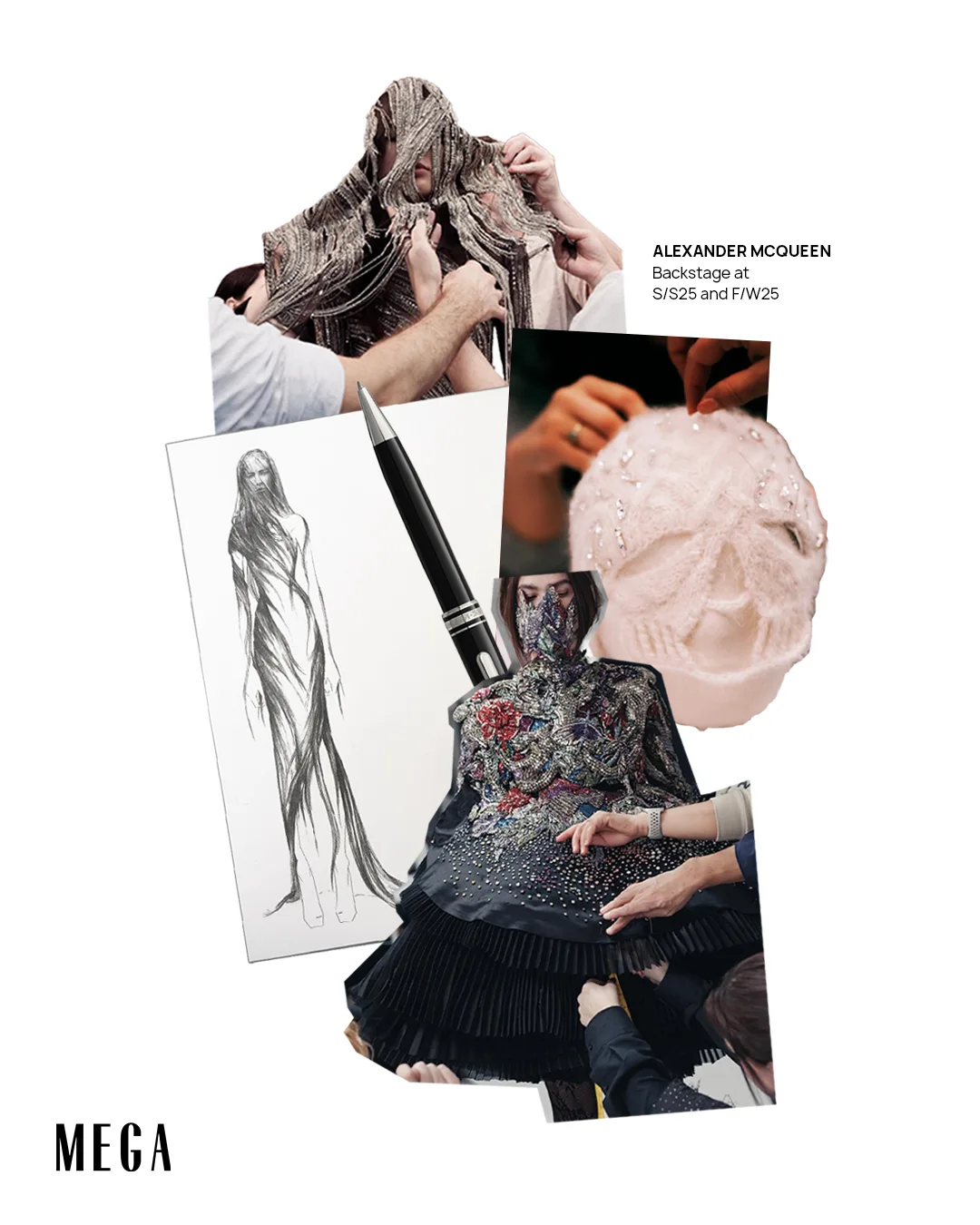
That’s why luxury brands are opening their doors, literally and figuratively. Stella McCartney leads the charge on ethical production, championing vegan materials and full traceability. Alexander McQueen offers glimpses into its design studio, showing how garments are built from drape to detail. LOEWE and Gucci documented artisans’ handiwork has acted as a protest against the noise.
Transparency isn’t a PR stunt in fashion—it’s the receipt. It proves that the artistry is real, the work is honest, and the price tag has a paper trail. True luxuryLuxuryrefers to a state of exceptional comfort, elegance, and quality, often characterized by premium craftsmanship, exclusivity, and superior experiences.Go to Luxury Glossary doesn’t fear scrutiny. In fact, it invites it.
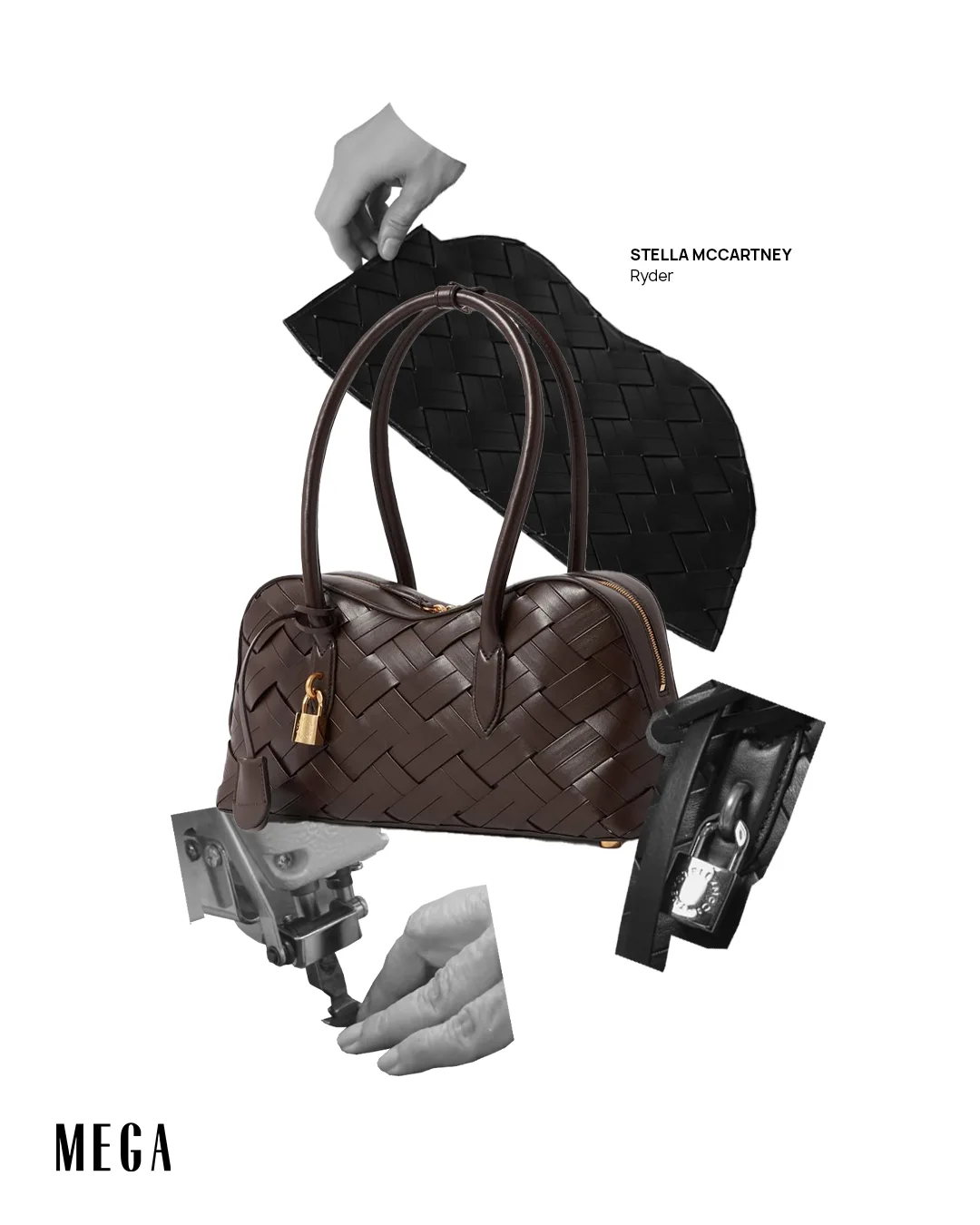
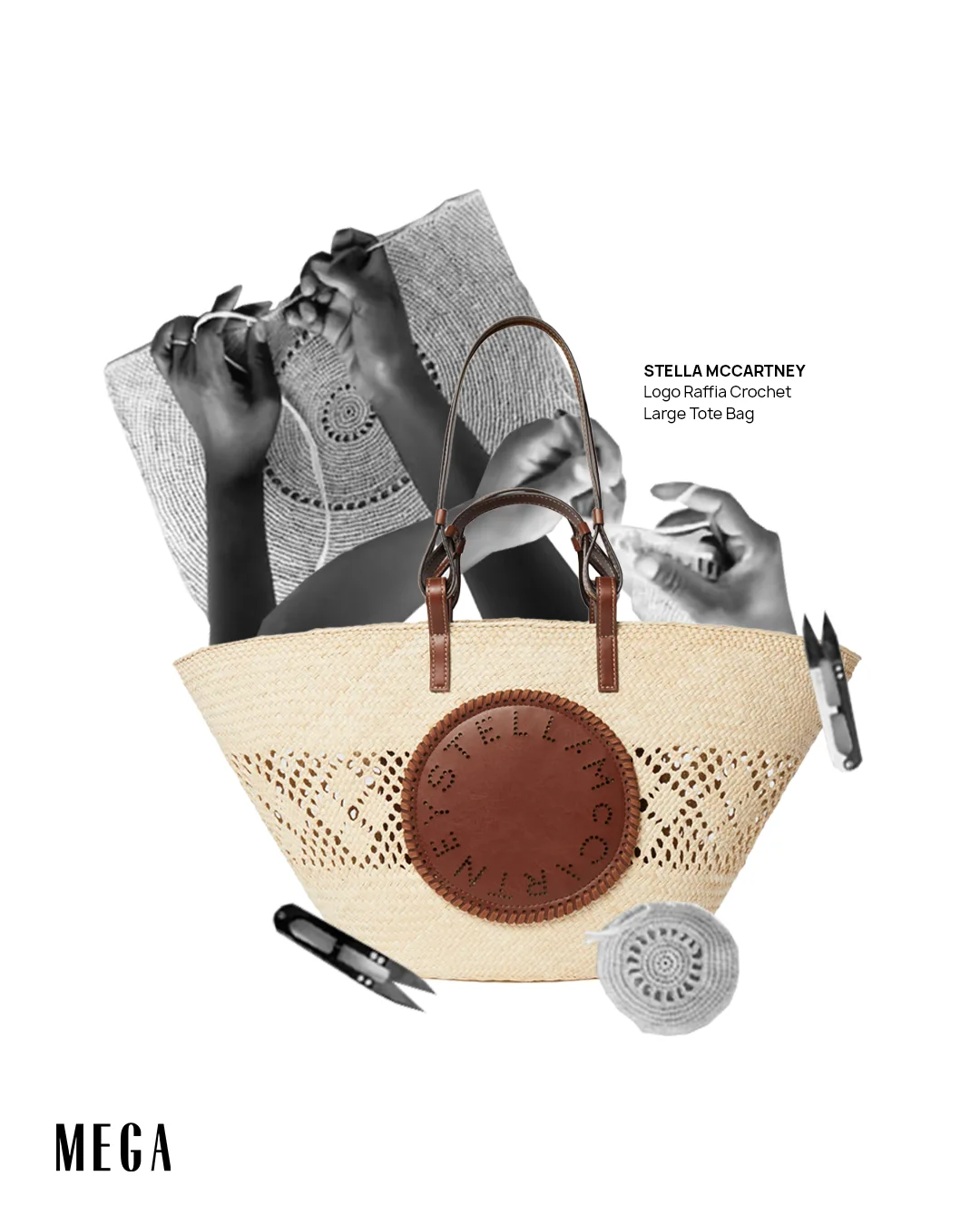
The next time someone tells you that your designer coat is “just branding”, smile politely and walk away—in your meticulously tailored, ethically crafted, impossibly chic statement of purpose. You’re not wearing a scam; you’re wearing a story, crafted with intent.
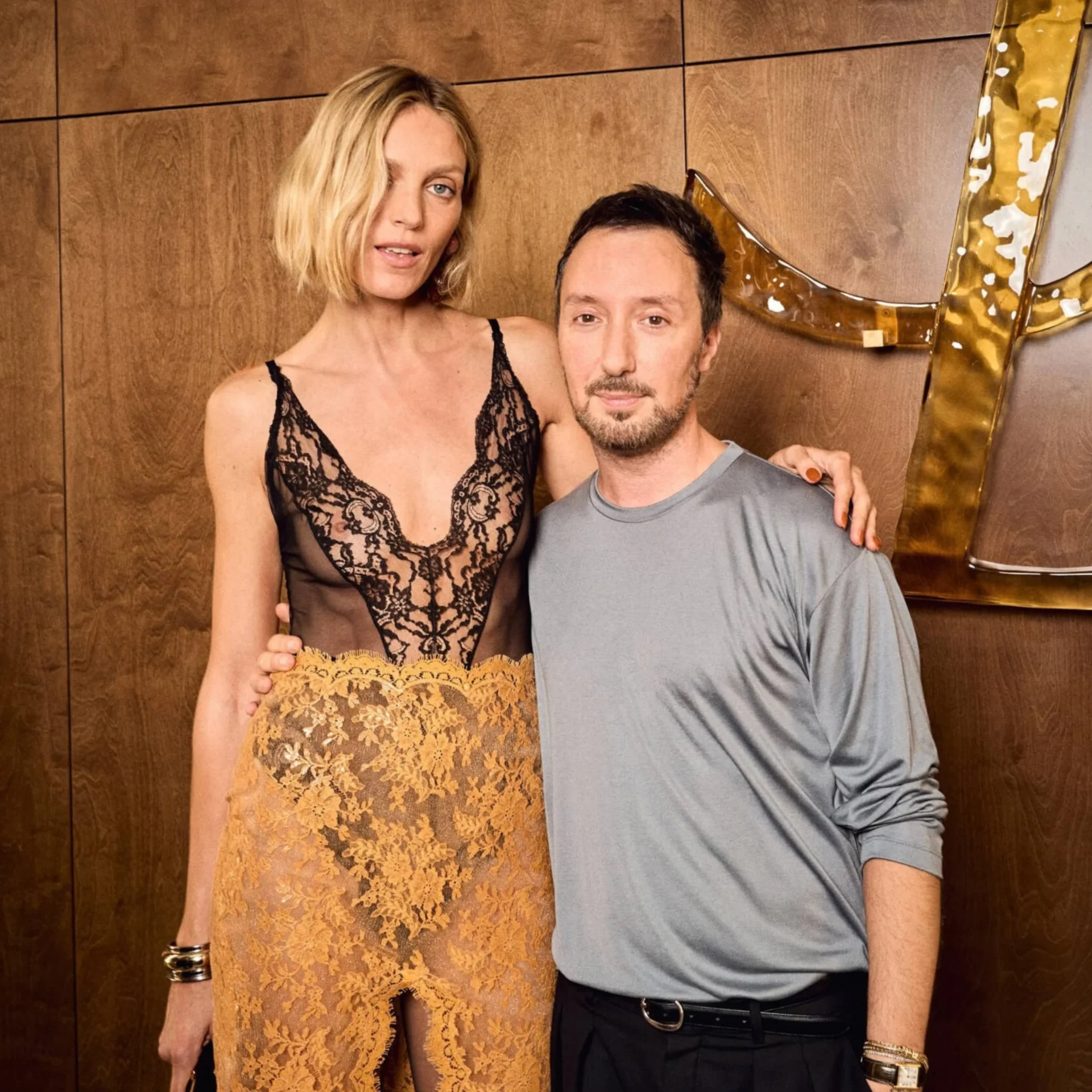
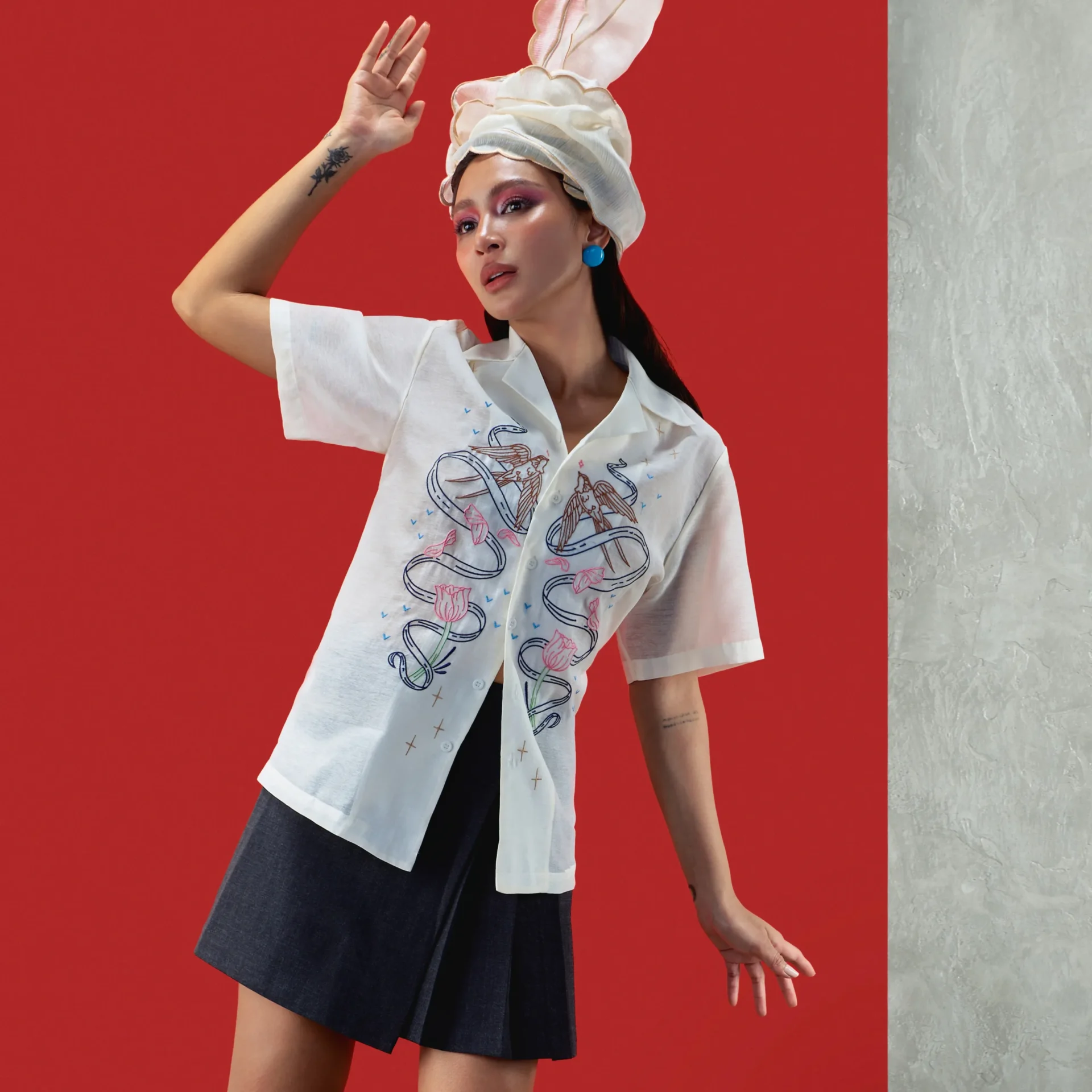
Photos: LOUIS VUITTON, GUCCI, LOEWE, PRADA, STELLA MCCARTNEY, and ALEXANDER MCQUEEN
Recommended Video
Latest Posts
Latest Issue