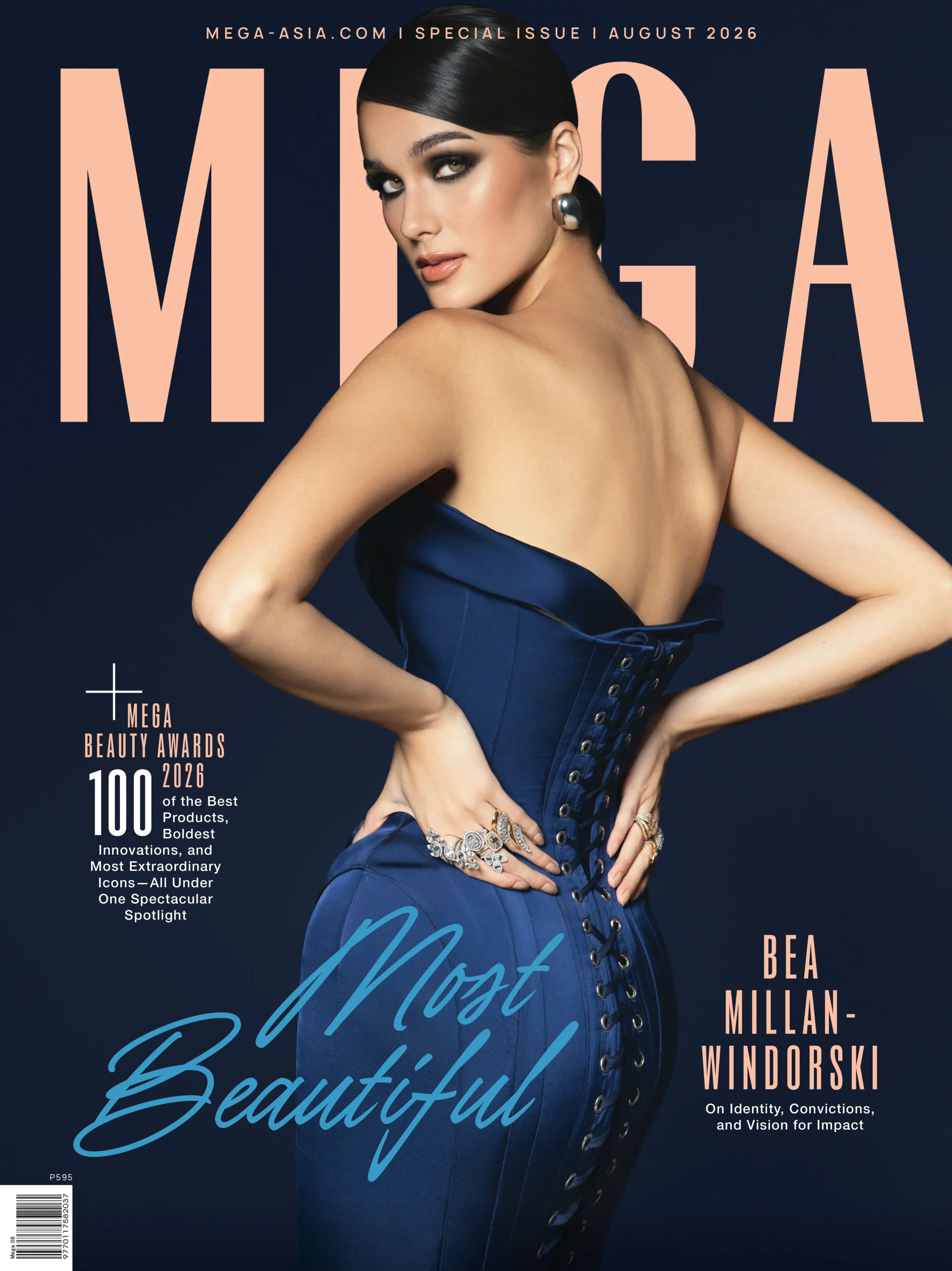




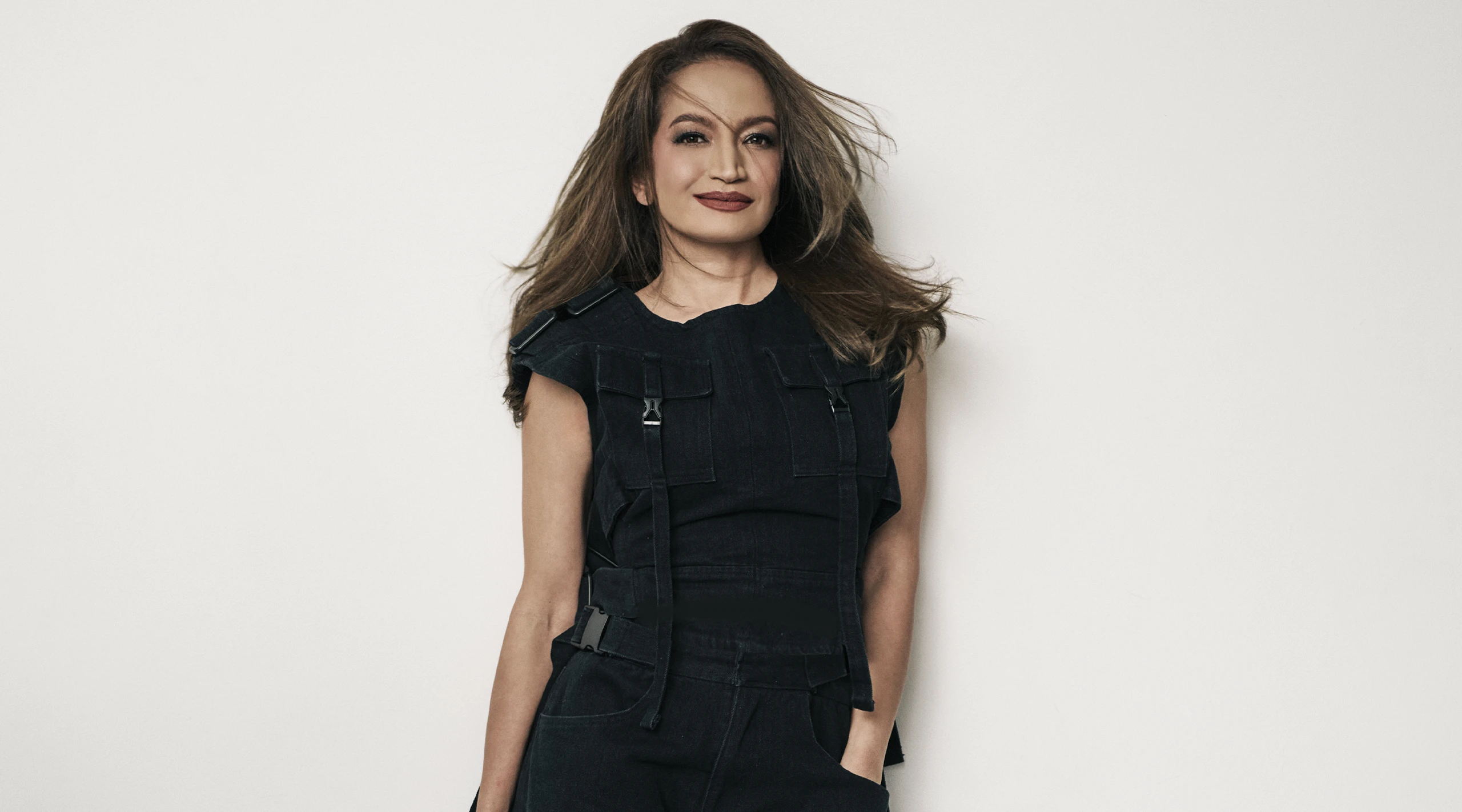
This is an excerpt from the MEGA May 2025 MEGA Matters Feature
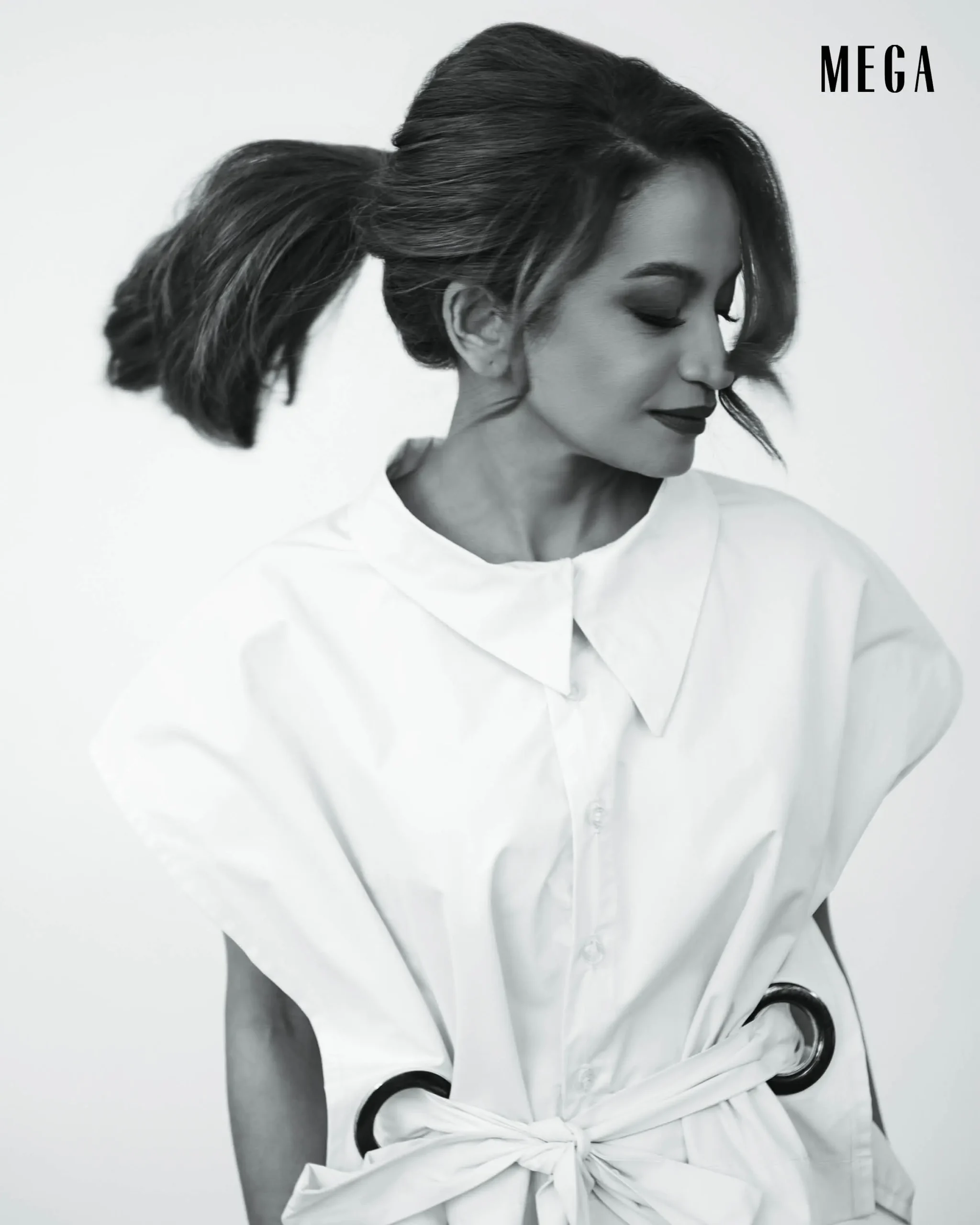
For years, Jamela Alindogan has carved out a name for herself as a broadcast journalist. Hers is the face people often saw on the ground in conflict-affected regions. She has received death threats, escaped an attempted kidnapping by the Abu Sayyaf, and went missing for three days during the super typhoon Yolanda.
“I covered so much conflict and I covered so many disasters in the country that when military officers would see me in a certain area, they would say I was like a black cat, a bad omen,” she says.
RELATED: Nikka C. Gaddi on Politics, Fake News, and the Social Media
From her stories, it is tempting to say that Alindogan is more Lois Lane than mild-mannered Clark Kent. In particular, and no offense to Amy Adams, she is like Margot Kidder’s portrayal who was independent, whip- smart, and clearly the superior version.
But to say that Alindogan has all the makings of the proverbial intrepid reporter is a bit reductive, especially when you hear her explain that there is a nuance in her bravery. Alindogan says, “There’s always this misconception that if you are brave in a particular moment, you do not feel any fear. I think that’s the honest truth we should tell other women: it is okay to be afraid, but understand that we can rise above the fear we feel.”
If the juxtaposition of a former Al Jazeera correspondent acknowledging her fears is a bit jarring, then wait until you hear what she says next.
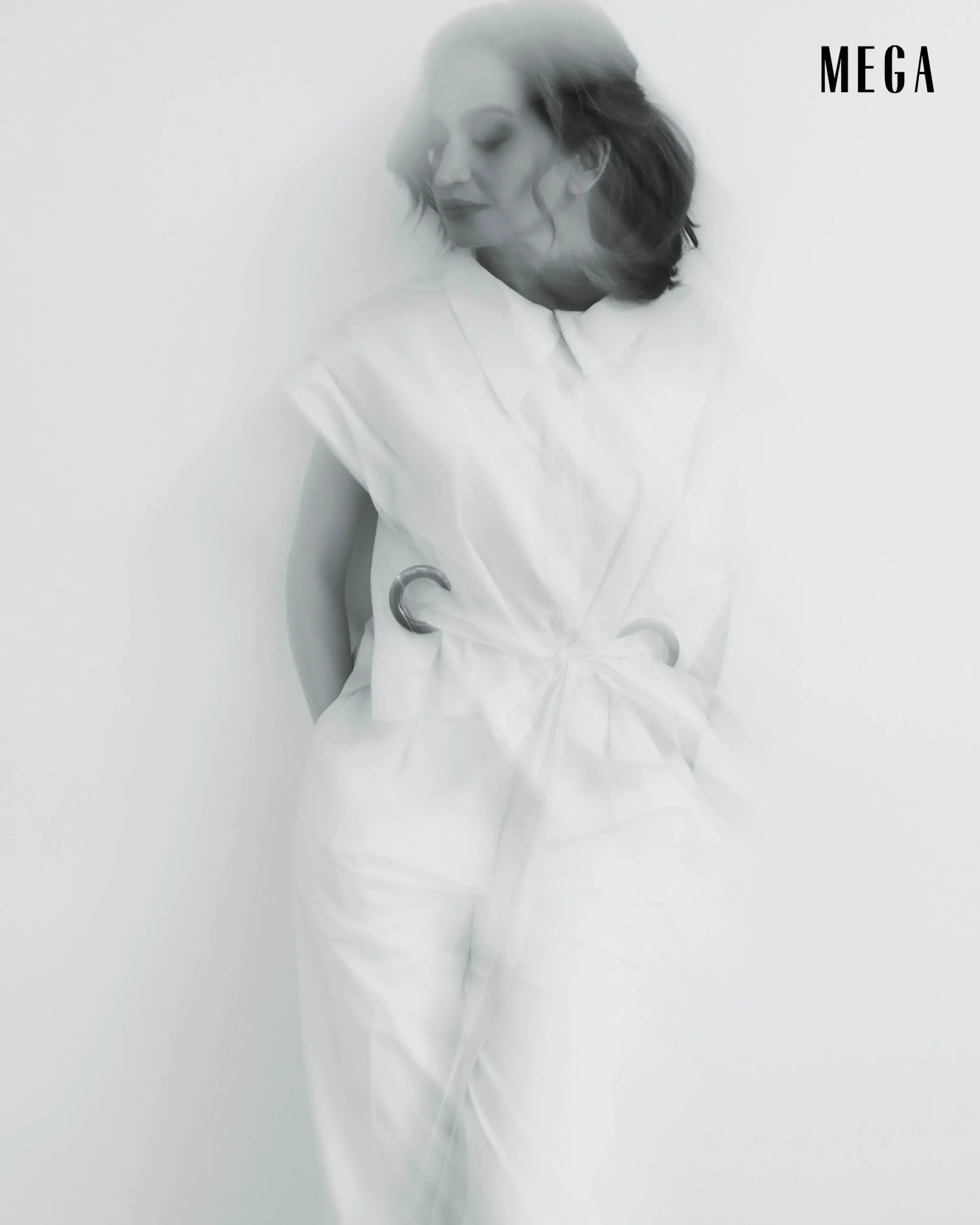
“Regarding my work, I would say that it is honest. It’s an honest truth about what I see, what I bear witness to, the things around me, and I speak with absolute honesty as much as I can,” Jamela says. “It is not unbiased. Again, I don’t believe in non-biased reporting. I call it false balance. It’s been said quite a lot. I do believe very much in journalism that sides with the oppressed, that sides with the voiceless, that speaks for those who need more platform.”
Hang on—but aren’t journalists supposed to be just that? Balanced? This is where Alindogan’s journalistic experience and precision cut through any possible misunderstandings. She explains further, “There’s a whole technical approach towards news gathering: accuracy, fact-finding, and context, right? So yes, inherently my instinct is to side with the oppressed, with the voiceless, but the way I approach my journalism is always professional.”
To the average man on the street, there can be a perception that journalists are omniscient narrators who are duty-bound to be free from all emotions. But Alindgan upends this. After all, there is no way anyone can turn off one’s human side.
This is especially true in situations that are unequivocally tragic. In 2017, Marawi became the epicenter of an armed conflict between the Philippine military and militant groups. The five-month-long ordeal resulted in death and mass displacement. Women and children, in particular, were affected.
After years of reporting from the frontlines, it struck Alindogan that reporting the news was not enough. “I started to resent being the deliverer of bad news. I felt that, especially when I became a mom, I became so much more affected.”
A kernel of an idea was planted in Jamela’s mind. She recounts doing an interview with displaced women and realizing the need for safe spaces. Action came fast. “We opened a crisis center for women and children at the provincial capitol as bombs were falling, right at the heart of the Lanao del Sur province capital.”
Since then, this idea has grown into Sinagtala, an organization that works with female members of rebel families to provide grassroots intervention. It has led to the opening of weaving centers, toy libraries, and therapy services.
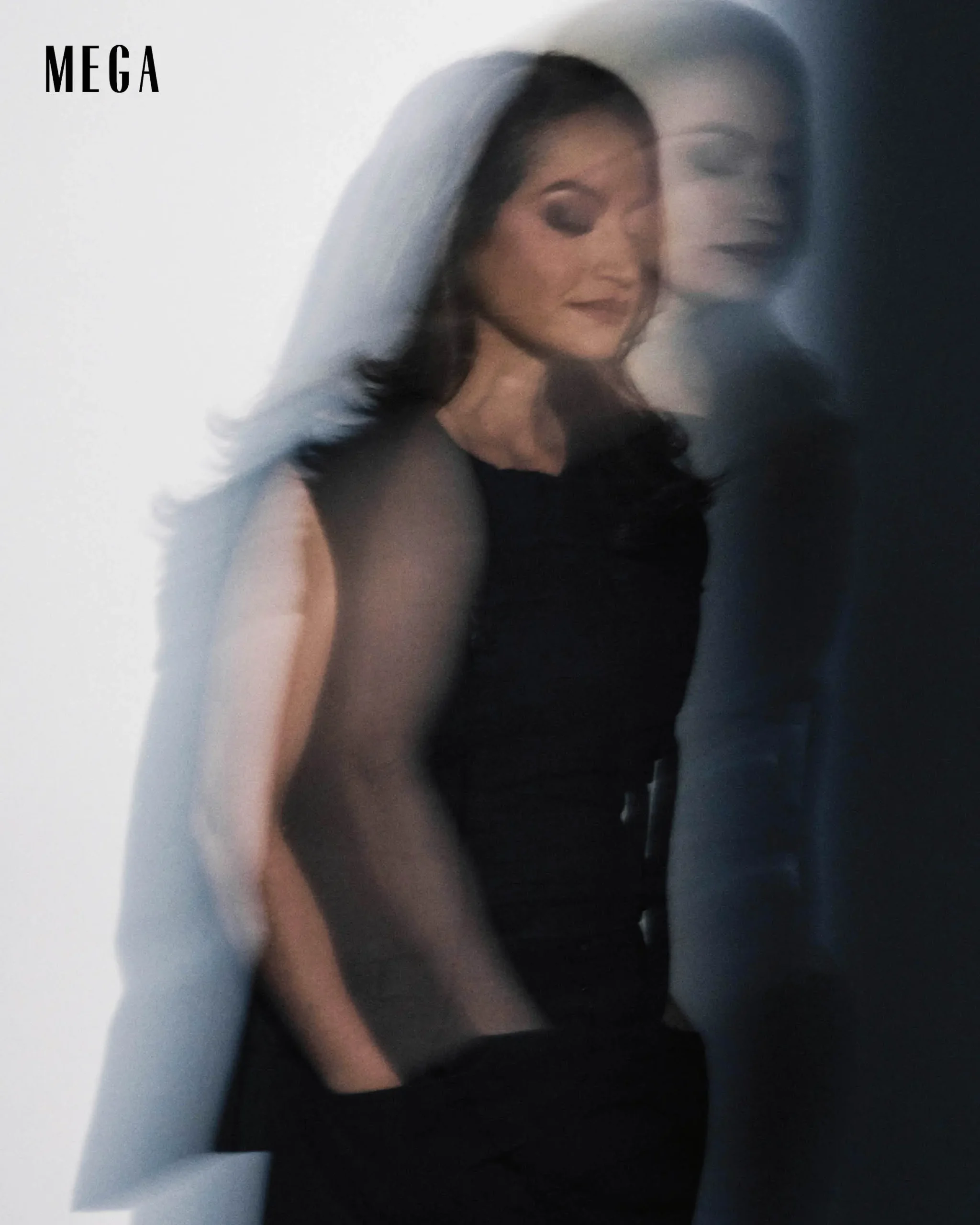
In science, there is a phenomenon called the observer effect where the mere act of observing can alter the state of the observed. But there is a flip side to it. The observer also changes. This is seen from quantum physics’ famous Schrodinger’s cat thought experiment to social science’s Hawthorne Effect.
“I carry with me every single story that I do, and they don’t leave me. To a certain degree, that’s what makes journalism both so empowering and heartbreaking at the same time, because you never leave a conflict and say, ‘I’m done, I’m going back to the comforts of my home,’” Alindogan says.
“I think I am a sum of all those little experiences and stories I’ve witnessed, both victories and failures as well, so when I approach complex stories, the familiarity of the emotions are already there.”
Read more about Jamela Alindogan in MEGA’s May 2025 issue now available on Readly, Magzter, Press Reader and Zinio.
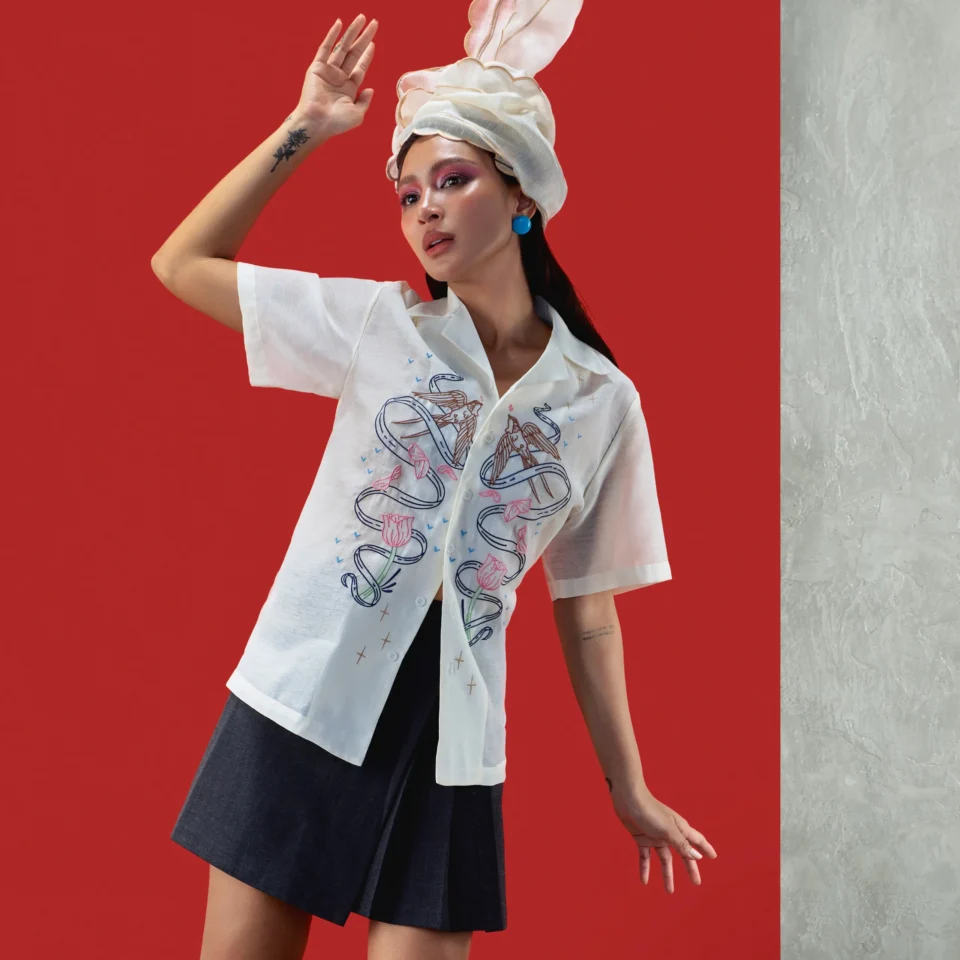
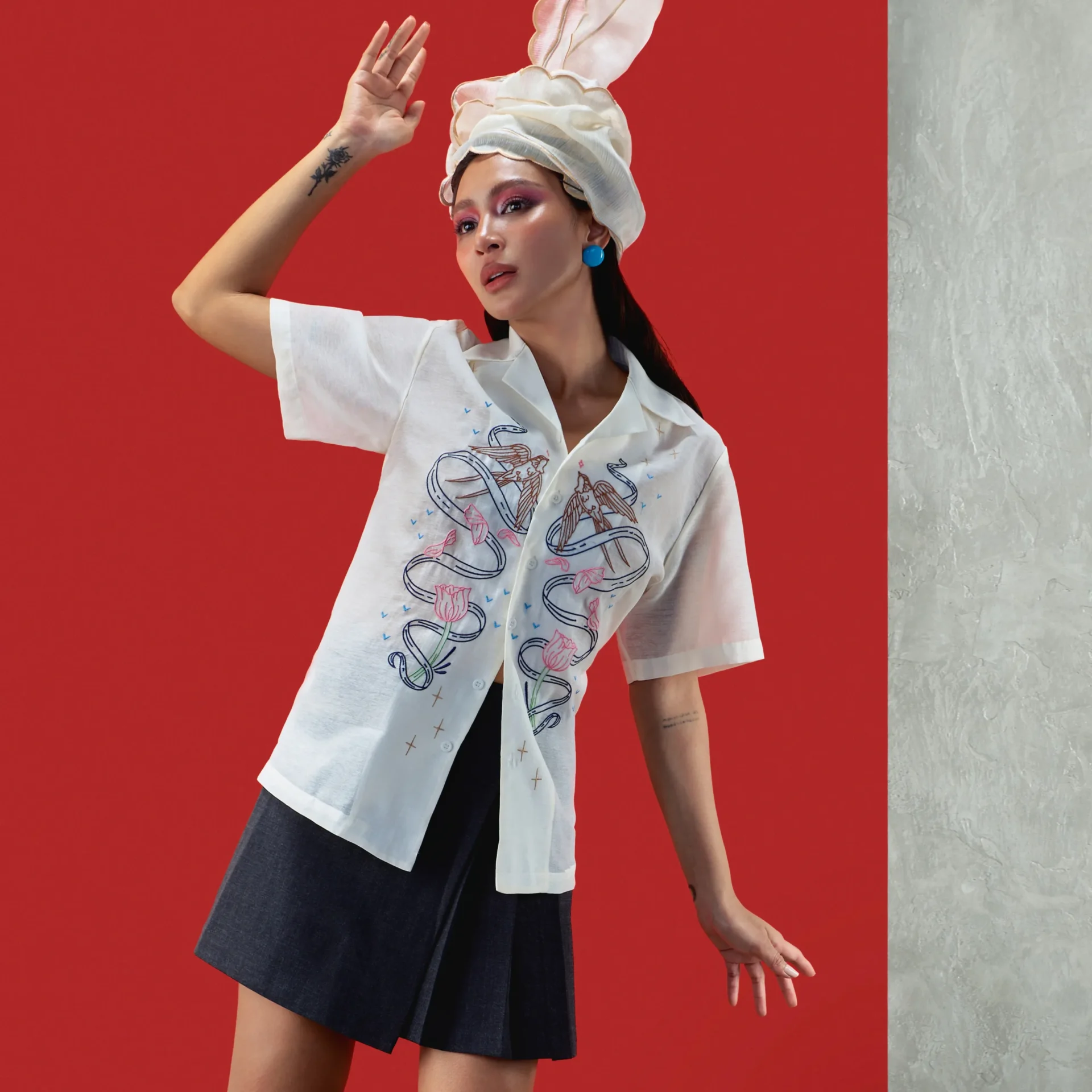
Photographed by JERICK SANCHEZ. Art Direction BRIE VENTURA. Sittings Editor STEF JUAN. Styling JRO ALARCIO. Makeup VHIO VILLARICA. Hair WAZZY SALIH.